
Your roof protects your home and family every day, but like any part of your house, it can experience problems over time. One common issue is roof blistering, which can start small but may lead to bigger damage if left untreated.
In this guide, we’ll explain what roof blistering is, how to recognize it, why it happens, and what you can do to protect your roof.
What is Roof Blistering?
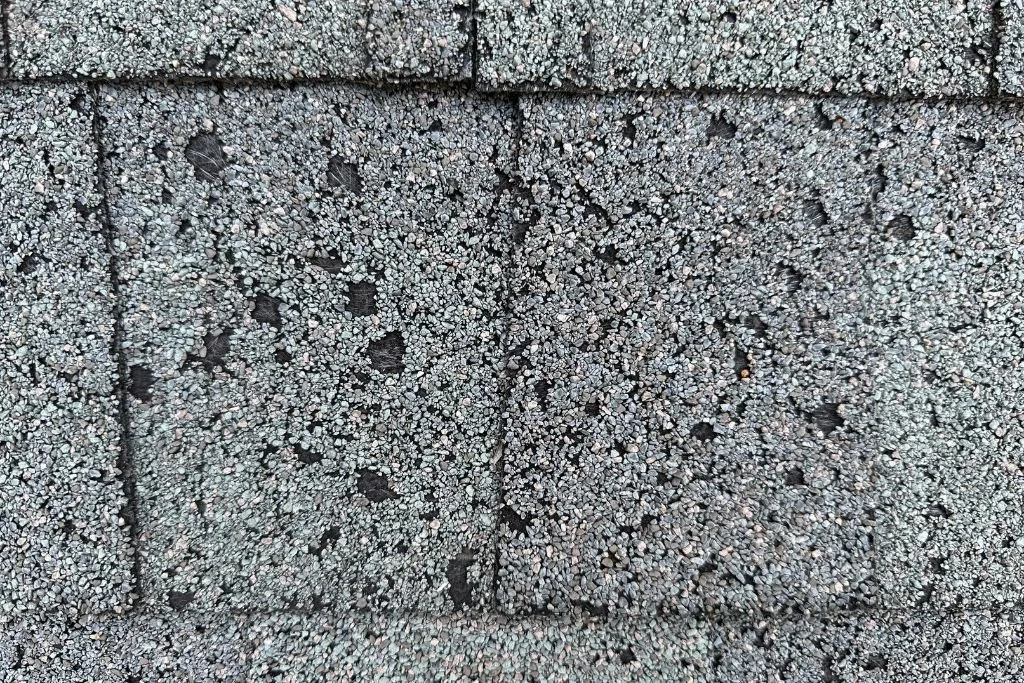
Roof blisters on shingle roof.
Roof Blistering happens when bubbles or raised spots appear on your roof’s surface. These blisters form when air or moisture gets trapped under the roofing material, causing it to lift. Blisters may start out small and mostly cosmetic, but if they crack or pop, water can get in, leading to leaks and roof damage. Roof blistering can affect most roofing materials, but it is far less likely to occur on metal roofing systems than on traditional asphalt shingle roofs
Signs of Roof Blistering
Here’s how you can tell if your roof has blisters:
Small raised bubbles or bumps on the roof surface
Cracked or broken blisters
Soft spots under the roof if pressed carefully
Water leaks inside your home (in more severe cases)
Early detection is key to catching blisters before they rupture, which can save you from costly repairs.
What Causes Roof Blistering?
Several factors can contribute to blistering:
Trapped Moisture or Air– If moisture or air is sealed under the roof, heat from the sun can cause it to expand, forming a blister.
Poor Installation– Incorrect installation can trap moisture in the roofing system.
Aging Materials– Older roofs are more prone to blisters as the material weakens over time.
Heat and Sun Exposure– Hot weather causes roofing materials to expand, which can make existing blisters worse.
Paint or Coating Failure- The most common cause of blistering in metal roofs. While typically cosmetic, it can become a concern if the protective coating is compromised and no longer shields the metal surface.
✅ Solutions and Prevention
To protect your roof from blistering and its consequences:
✓ Schedule Regular Inspections – A professional can identify blisters early and recommend repairs.
✓ Ensure Proper Ventilation – A well-ventilated roof helps prevent moisture buildup.
✓ Repair or Replace Damaged Areas – Large or widespread blisters may require professional repair or replacement.
✓ Use Quality Materials – High-quality roofing materials last longer and resist blistering.
Final Thoughts
Roof blistering is common, but with early detection and proper care, it doesn’t have to turn into a major problem. Regular inspections, good ventilation, and professional repairs can keep your roof strong, safe, and long-lasting.
If you notice blisters on your roof, don’t wait—contact a trusted roofing professional like us, First Choice Constructors S&B LLC, to evaluate the damage and recommend the best solution.