
Is Your Attic Hurting Your Roof?
When people think about roof problems, they usually look outside. But what many homeowners don’t realize is that your attic plays a big role in your roof’s condition. If something isn’t right in your attic, it can slowly affect your roof—sometimes without you even noticing.
Why Does Your Attic Matter?
Your attic helps control temperature and moisture inside your home. When it’s working properly, it protects your roof from damage. But when there are issues—like poor ventilation or trapped moisture—it can lead to problems that affect your roof from the inside out.
Signs to Watch Out For
Here are some common signs that your attic may be affecting your roof’s health:
1. It Feels Too Hot in the Attic
If your attic gets extremely hot, especially during the day, it could mean poor ventilation. Too much heat can:
• Damage roofing materials
• Cause shingles to age faster
• Increase wear and tear on your roof
2. You Notice Moisture or Dampness
Your attic should be dry. If you see moisture, it’s a warning sign. Look for:
• Damp insulation
• Water stains
• Condensation
Moisture can lead to mold and weaken your roof structure over time.
3. Mold or Musty Smell
A musty smell in your attic often means mold or mildew is present. This usually happens when moisture is trapped and not properly ventilated. If ignored, it can spread and cause damage to your attic, roof, and in extreme cases even your ceiling.
4. Uneven Temperature in Your Home
If some rooms feel much hotter or colder than others, your attic might not be regulating temperature properly.This can put extra stress on your roof and reduce overall energy efficiency.
5. Higher Energy Bills
A poorly ventilated attic can trap heat, making your air conditioning work harder.If you’ve noticed a sudden increase in your energy bills, your attic could be part of the problem.
6. Signs of Roof Damage from the Inside
Sometimes, the first signs of roof problems appear inside your attic. Check for:
• Light coming through the roof boards or pipe boot/vent
• Sagging areas
• Water leaks
These are signs that your roof may already be affected.
How do you prevent attic-related roof problems?
The good news is that these issues can be prevented with proper care:
• Ensure good ventilation to allow heat and moisture to escape
• Check insulation to maintain proper temperature control
• Inspect your attic regularly for early signs of problems
• Avoid storing items such as photographs, electronics, leather goods, or clothing in the attic for extended periods of time, as extreme temperature and moisture changes can damage both the items and the attic space itself.
• Call a professional like us if you notice anything unusual
Final Thoughts
Your attic and roof work together more than you might think. When your attic is in good condition, it helps your roof last longer and perform more efficiently. If you notice any of the warning signs we’ve mentioned, it’s best to address them early. A quick inspection can help prevent bigger, more expensive problems down the road.
If you need a roof repair, don’t hesitate to reach out. If you would like us to take a closer look inside your attic to determine the exact cause, please make sure someone is home at the time of the appointment so a First Choice Constructors S&B LLC representative can safely access the attic and answer any questions you may have. Call (864)266-0632 for an appointment today.
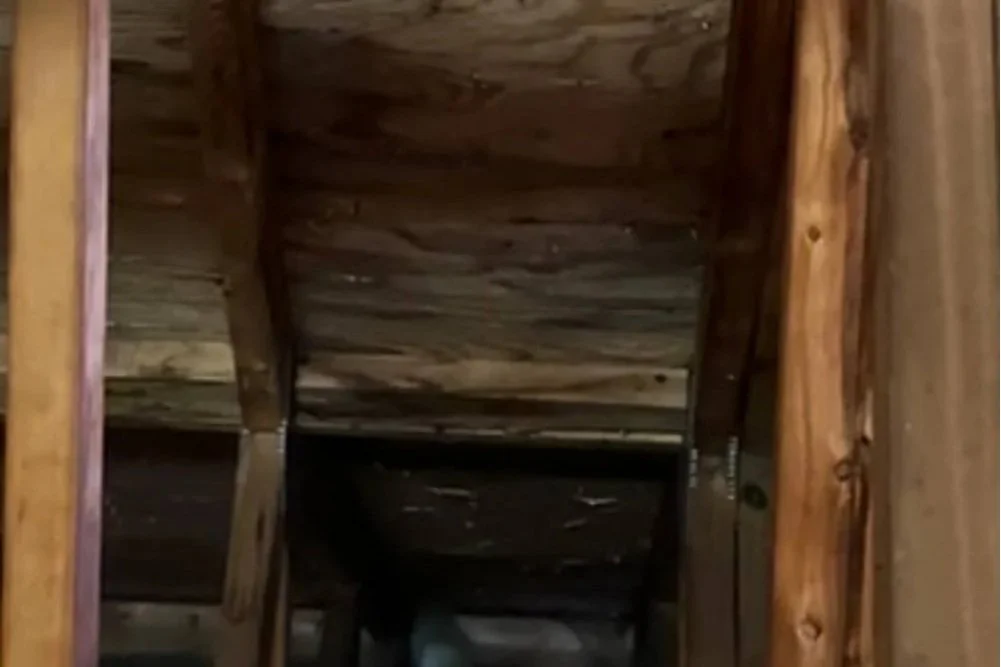
Attics come in different levels of finishing. Some, like this one, are more finished and may have plywood installed over the insulation to create a usable storage surface. Others may be unfinished and consist of exposed framing and insulation only.