
What Causes Siding to Crack, Warp, or Fade?
There may be a time you asked yourself: “What is causing damage to my siding?” You are not alone; many homeowners have asked the same question. Siding is more than just a finished look it is also protection for walls and an insulated barrier around your home. Over time, siding can crack, warp, or fade. Understanding what causes siding damage helps homeowners choose the right materials, maintain their siding properly, and avoid more costly repairs down the road. After all, you want to make sure your home is safe to live in. Here are some possible reasons your siding may show signs of damage:
Temperature Shift
One of the causes for siding damage is the change in temperature. The reason for this is because the material is in contact with changing weather. If not properly installed, this will cause the siding to become warped and worsen over time. The extreme changes in temperature can cause additional damage to your siding if issues aren’t addressed when first noticed.
Water Exposure
Moisture and prolonged exposure to water can cause serious siding damage. When water gets behind the siding, it can become trapped against the wall, leading to warping, deterioration, and mold growth. Over time, continued moisture exposure can weaken the siding and the materials underneath. As winter approaches, moisture trapped behind siding can freeze when temperatures drop. As the water freezes and expands, it can put pressure on the siding and surrounding materials, potentially causing cracks, splitting, or other damage. Repeated freezing and thawing can make the problem worse over time.
UV EXPOSURE /color fading
Not only it effects the look of the home, but it can also affect the home protection. The sun UV radiation breaks down the pigments and surface polymers in the siding that causes to the lose the strength the siding. One sign that your siding is damage is when you start noticing the color is starting to fade that’s when the siding needs attention.
Improper Installation
This may seem like a minor issue, but improper siding installation can become very noticeable over time. Using the wrong nails or driving nails too deeply can restrict the siding’s natural flexibility. As temperatures change, the panels need room to expand and contract. When they cannot move properly, the siding may crack, buckle, or pull away from the wall. That’s why it’s very important to choose the right professional to install your siding correctly and ensure the panels can move as intended.
IN CONCLUSION
Your siding has a big job to do, and it’s good to understand what can cause damage is the first step keeping it in good shape. while some are unavoidable over time, the right care and attention can prevent minor issues from becoming major ones. If your siding is showing any signs of cracking, warping, or fading, it may be worth having it inspected to determine what is the next best step. With the right approach, you can protect your home’s exterior and enjoy a siding finish that looks and stays strong through the years.

Here are few siding project we did in the past
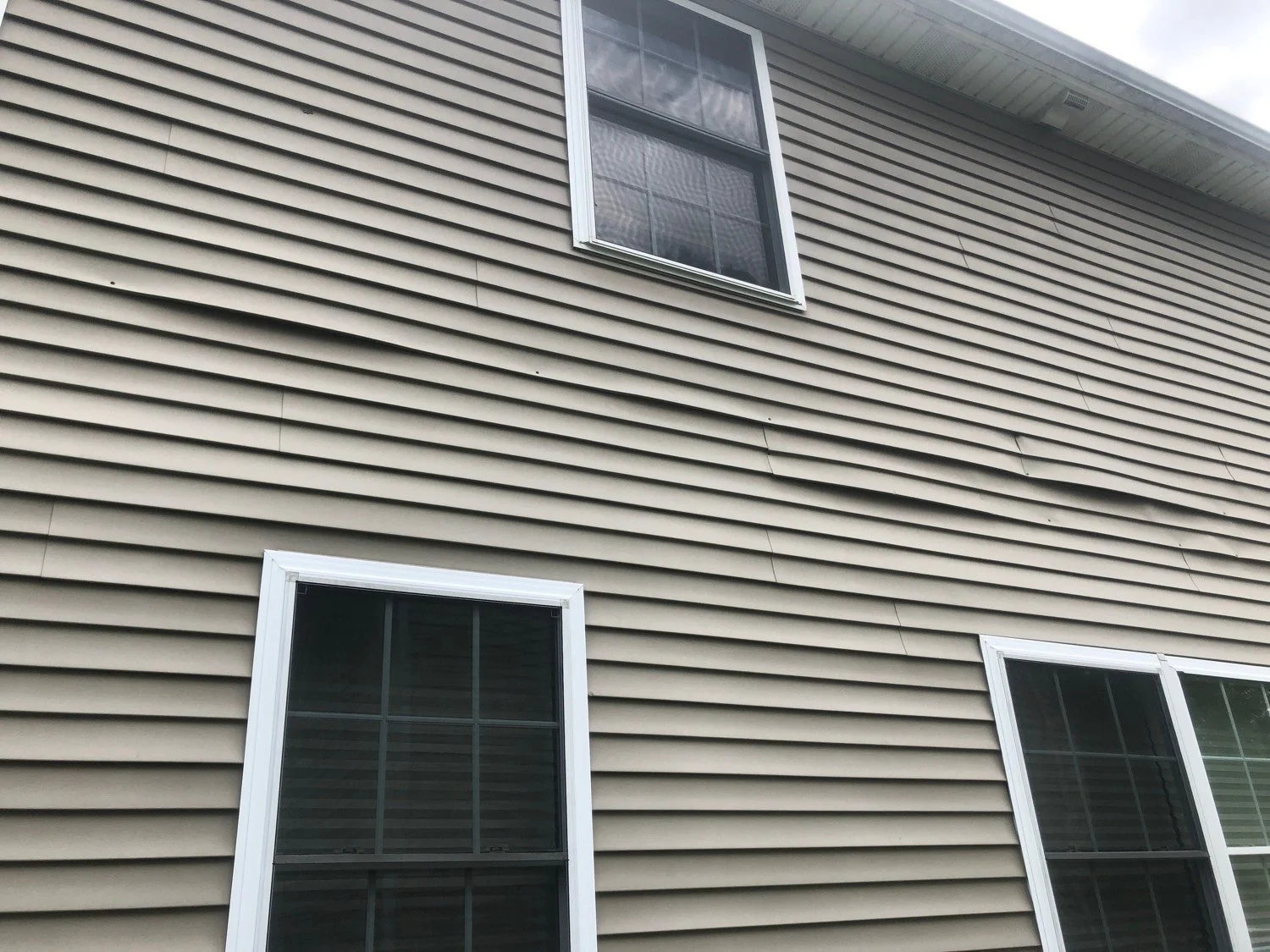
The siding panels started buckling.
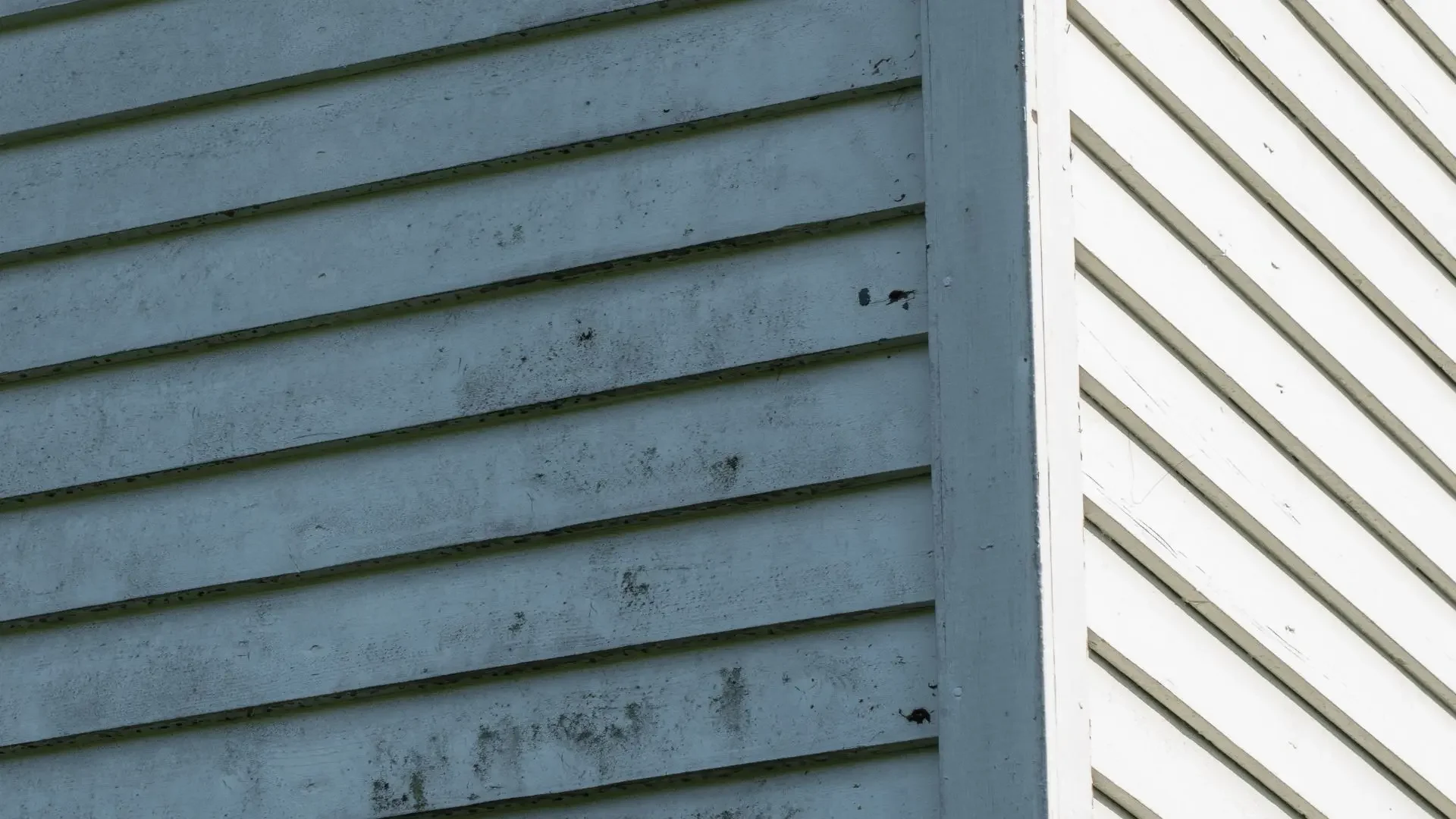
Paint is peeling off due to water exposure.
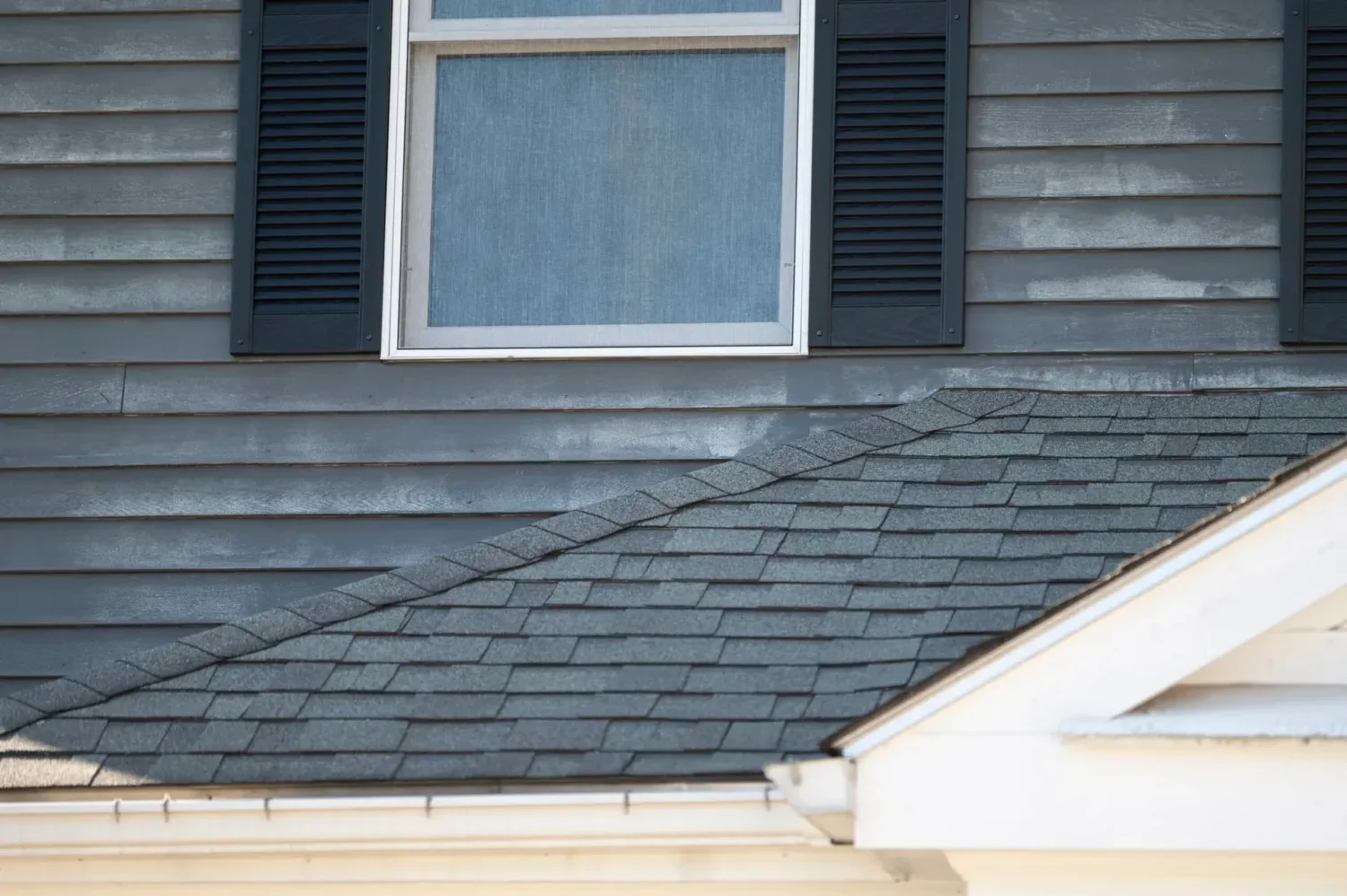
The color of the siding started to fade.
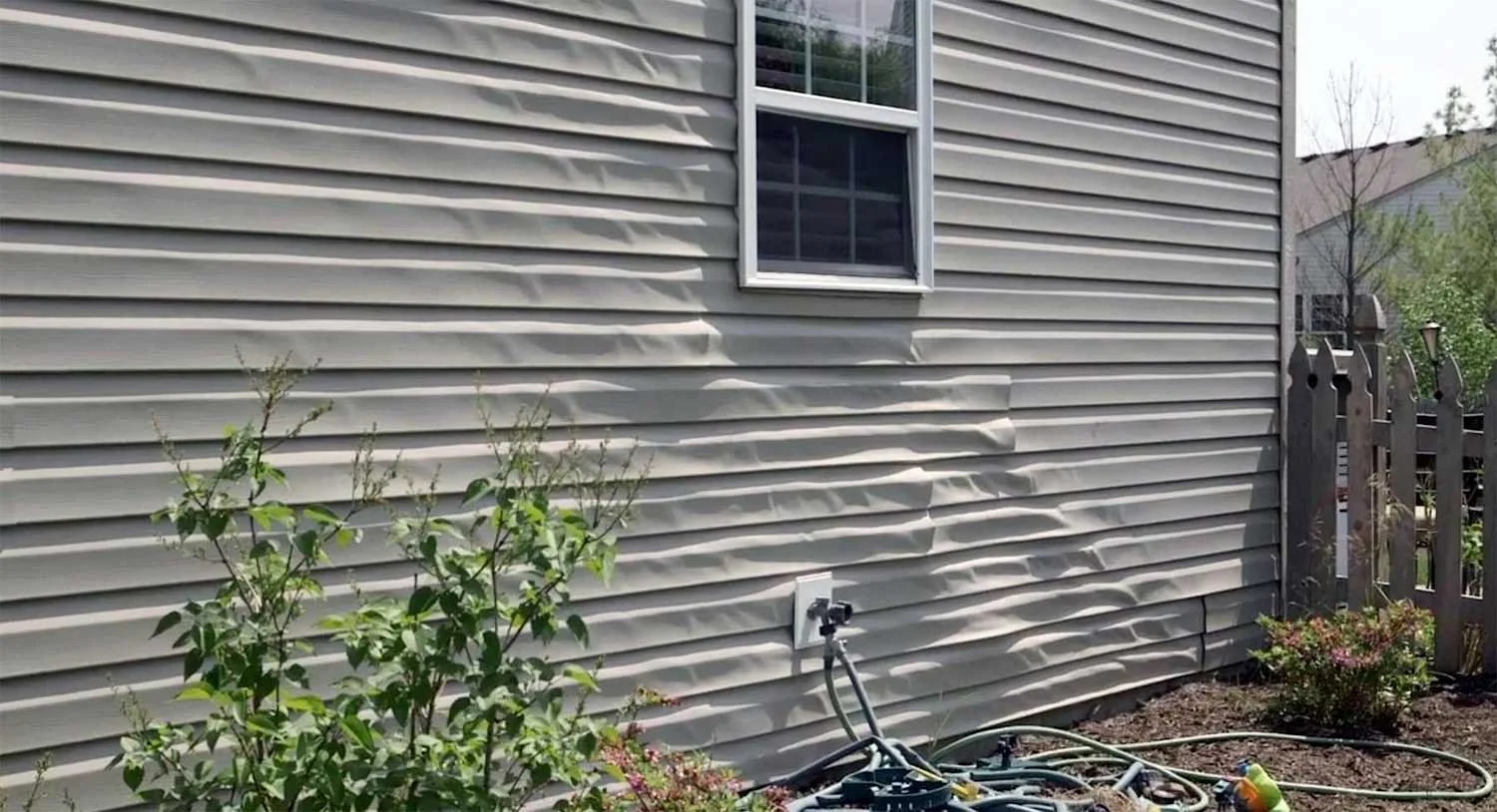
Improper installation causes the siding to be wavy and buckle.